
TMJ Pain Relief at Home
If you are looking for TMJ pain relief, there are several simple remedies you can try at home. While these methods do not cure the condition, they can help reduce pain and discomfort temporarily.
One of the easiest ways to manage TMJ pain is by using hot or cold compresses. For example, you can wrap a heat pack or hot water bottle in a warm, moist towel and apply it to the jaw.
Alternatively, you can use an ice pack covered with a clean cloth. However, do not apply ice for more than 10–15 minutes at a time.
Over-the-counter medication can also help with TMJ pain relief. Anti-inflammatory drugs, such as ibuprofen, may reduce swelling and discomfort.
However, this should not be used as a long-term solution. If the pain continues, it is best to consult a professional for proper treatment.
Sleeping on your side can help reduce pressure on the jaw. In addition, using a supportive pillow for your neck may improve your sleeping posture.
Many patients report that this simple adjustment helps reduce TMJ discomfort over time.
To prevent further irritation, try to limit jaw movement. For example:
- Eat soft foods instead of hard or chewy items
- Avoid chewing gum
- Do not clench your teeth
- Support your jaw when yawning
These small changes can make a big difference in managing pain.
Physical therapy might employ jaw exercises. Some patients feel better after stretching and strengthening the jaw muscles.
Stress and harmful habits may sometimes be the cause of a TMJ disorder. If you tend to grind and clench your teeth or bite your fingernails, a counselor can help you avoid these behaviors.
Sometimes corticosteroid injections are used to help reduce inflammation. In rare cases, botulinum toxin type A (e.g. Botox) can be injected into the jaw muscles to reduce the pain. However, there is not enough clinical evidence to determine the effectiveness of Botox treatment.
The National Institute of Dental and Craniofacial Research (NIDCR) recommends surgery as a last resort for the following reasons:
- Invasive. Surgical procedures are invasive and irreversible.
- No guarantee of success. There haven’t been enough clinical trials to determine the effectiveness of this type of treatment.
- High risk. Some surgical interventions, especially implants, may cause permanent damage to the joint.
If you still decide to undergo surgery, be sure discuss the pros, cons and long-term side effects with your doctor.
Since TMJ surgery poses many risks, conservative treatment (usually involving oral splints) is recommended as a first-line solution. An oral splint is a device inserted into the mouth to correct jaw positioning and reduce the severity of the pain.
Why consider TMJ oral splints?
- Non-invasive and reversible. The device is removable and you can opt out of treatment at any time.
- Covered by medical insurance. Most medical insurances include coverage for this treatment. Here is a list of the insurance companies we work with.
- Effective. Most patients report a reduction of the symptoms.
- Addressing the cause. Many TMJ treatment options focus on reducing the pain. Oral splints can remove root causes like teeth grinding and jaw misalignment.
- Economical. The costs of surgery are much higher.
- Custom-fitted. A dentist will ensure the device is shaped to your jaw and doesn’t cause pain.
Types of TMJ oral splints
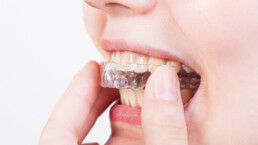
Stabilization splints cover all of your teeth to prevent grinding and clenching. They protect the teeth from wear and tear while also reducing muscle tension.
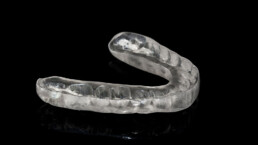
Repositioning splints move the lower part of the jaw slightly forward. They reduce the pressure in the joint by realigning the jawbone.