
Why do I snore?

If you’re wondering “why do I snore,” you’re not alone. Snoring happens when airflow is restricted during sleep, causing tissues in the throat to vibrate. Understanding the causes of snoring can help you find the right solution.

Snoring occurs when the airway becomes too narrow and air can’t pass freely. This makes the surrounding tissue vibrate. If the snoring originates in your throat, it’s usually because the throat muscles are failing to keep the airway open. If it originates in your nose, it may be due to nasal congestion or facial abnormalities.

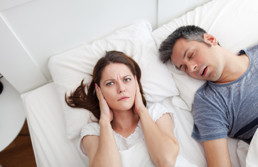
Snoring disrupts deep, quality sleep. This makes you feel tired and irritable in the morning.

Normal breathing
Snoring

The 9 most common reasons for snoring

1. Age. People in middle age and beyond are more likely to snore.
2. Weight. Fatty deposits in your neck can reduce the space in your throat and cause snoring.
3. Large neck size. A large neck circumference (17” men, 16” women) may indicate a narrow airway.
4. Gender. Men are more likely to snore because they have narrower air passages.
5. Genetics. For example, you may have inherited a narrow
throat or enlarged tonsils.

6. Nasal or sinus issues. Nasal polyps, nasal obstruction, and chronic sinusitis are some of the conditions that cause snoring.
7. Smoking. Tobacco causes swelling in the throat.
8. Alcohol and tranquilizers. Alcohol and tranquilizers make the throat tissue and muscles relax too much.
9. Sleeping on your back. When your tongue and throat muscles relax, this may cause snoring.

Snoring may indicate a serious health condition called Obstructive Sleep Apnea (OSA).

Of habitually snoring adults have sleep apnea

Of habitually snoring children have sleep apnea

When to seek medical attention?


Not everyone who snores has sleep apnea but it can be a warning sign. If you experience snoring together with any of the symptoms below, you should contact a sleep specialist:

  • You make breathing pauses in your sleep
  • You have extreme daytime sleepiness and sometimes doze off unintentionally
  • You have morning headaches
  • You have excess weight or endocrine issues
What our patients say

Frequently Asked Questions About Snoring

Snoring occurs when airflow is partially blocked during sleep, causing the tissues in the throat, mouth, or nose to vibrate. This vibration produces the sound commonly known as snoring.
Snoring can be caused by several factors, including excess weight, nasal congestion, aging, alcohol consumption, smoking, sleeping on your back, enlarged tonsils, or a naturally narrow airway.
Occasional snoring is common and usually not a cause for concern. However, frequent or loud snoring may indicate an underlying sleep disorder such as obstructive sleep apnea.
Yes. As people age, the muscles in the throat tend to become less firm, making airway collapse more likely during sleep and increasing the chances of snoring.
Yes. Excess tissue around the neck and throat can narrow the airway, making it more difficult for air to flow freely and increasing the likelihood of snoring.
Men generally have narrower air passages than women, which can make them more prone to snoring and other breathing-related sleep issues.
Yes. Conditions such as allergies, sinus infections, nasal polyps, and chronic nasal congestion can restrict airflow through the nose and contribute to snoring.
Yes. Sleeping on your back can cause the tongue and throat muscles to relax backward, partially blocking the airway and increasing snoring.
Yes. Alcohol relaxes the muscles in the throat, which can increase airway obstruction and make snoring more frequent or severe.
Not everyone who snores has sleep apnea, but loud, chronic snoring combined with breathing pauses, choking, or gasping during sleep may be a warning sign of obstructive sleep apnea.
Snoring is the sound caused by restricted airflow, while sleep apnea is a medical condition in which breathing repeatedly stops and starts during sleep. Sleep apnea often causes loud snoring but involves additional health risks.
You should seek medical attention if your snoring is accompanied by breathing pauses, choking or gasping during sleep, excessive daytime sleepiness, morning headaches, difficulty concentrating, or high blood pressure.
Yes. Chronic snoring may disrupt sleep quality and lead to daytime fatigue. If caused by sleep apnea, it may also increase the risk of serious health conditions such as heart disease, stroke, and high blood pressure.
Yes. Loud or frequent snoring can disrupt a partner's sleep, leading to sleep deprivation, frustration, and relationship stress over time.
Treatment depends on the cause of the snoring. Options may include oral appliance therapy, lifestyle changes, weight management, positional therapy, treatment for nasal congestion, or evaluation for sleep apnea.
Yes. A custom-fitted oral appliance can help keep the airway open during sleep, reducing airway obstruction and minimizing snoring for many patients.
If your snoring is frequent, loud, or accompanied by symptoms such as daytime fatigue, breathing pauses, or choking during sleep, a sleep specialist can help determine whether an underlying condition such as sleep apnea is present