
The temporomandibular joint (TMJ) connects the lower jaw and the skull. The joint and the surrounding muscles allow you to open your mouth, e.g. to eat, speak, yawn.
When, for some reason, the TM joint is not functioning properly, the condition is called Temporomandibular Joint Disorder (TMD, TMJ disorder or TMJ syndrome).
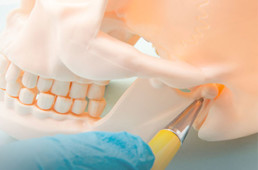
The Temporomandibular Joint (TMJ)
TMJ Disorder Is A Very Common Condition
- 35 million Americans suffer from TMJ disorder
- 20 to 40 years old The age group that is most vulnerable
- Women Are impacted more often than men
Patients usually experience acute pain because several major nerves run through this area. The following symptoms are associated with TMJ disorder:
- Constant severe headaches (Also called “TMJ headaches”)
- Jaw pain on one or both sides
- Ear pain
- Muscle spasms
- Face pain
- Soreness in the jaw
- Tooth pain
- Stiff muscles in your jaw
- Tinnitus (ringing in the ears)
- Neck pain or stiffness
- Popping and clicking of the jaw
- Dizziness and loss of balance
- Difficulty chewing and opening your mouth
Many of the symptoms resemble other conditions. TMJ patients are often being treated with tranquilizers which do not solve the problem. If you believe you may have a TMJ disorder, contact a certified specialist.
How the TMJ Works
The TMJ is one of the most complex joints in the body. It allows up-and-down, side-to-side, and back-and-forth movement.
To move smoothly, the bones of the joint slide over a small disc. This disc protects the bones from rubbing against each other and acts as a shock absorber. However, when the disc becomes damaged, it can lead to TMJ pain and discomfort.
Common Causes of TMJ Disorder
There are many possible causes of TMJ disorder. Some of the most common include:
Trauma and Injury
TMJ disorder often occurs after an injury or accident. For example, falls, car accidents, or sports injuries can damage the jaw.
If the jawbone is broken, dislocated, or if the disc is damaged, you may experience symptoms of TMJ disorder.
Teeth Grinding and Clenching
Frequent grinding or clenching of the teeth can put pressure on the jaw joint. As a result, this may cause misalignment or inflammation around the TMJ.
Over time, this can lead to pain, stiffness, and discomfort.
Arthritis and Joint Conditions
Arthritis can also affect the TMJ. For example, osteoarthritis can cause the joint to wear down over time.
In addition, rheumatoid arthritis may lead to inflammation in multiple joints, including the TMJ. This can make movement painful and difficult.
The TMJ disc
Can Braces Cause a TMJ Disorder?
Some patients believe that their braces, sleep apnea appliances or other orthodontic treatments have caused their TMJ disorder. However, medical research has not found a link between dental appliances and this condition.
The symptoms of a TMJ disorder can last anywhere between a few days and a few weeks.You should seek medical attention if you:
- Have repeated episodes of acute jaw pain.This may indicate a chronic TMJ disorder.
- Have severe headaches
- Experience tenderness or soreness in the jaw
- Have difficulty opening and closing your jaw
In these cases, contact your dentist to discuss options for treatment and TMJ pain relief.