How Sleep Apnea Affects Your Breathing.

Obstructive sleep apnea (OSA) is a life-threatening sleep disorder. Simply put, if you’re suffering from sleep apnea, you repeatedly stop breathing while you sleep. Your body can’t get enough oxygen which causes you to start choking, snorting and gasping for air.
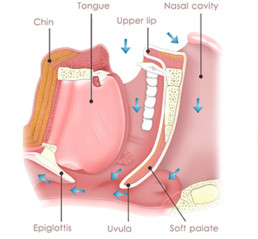
Sleep apnea treatment airway blockage diagram

Normal: The muscles that control your tongue and soft palate stay contracted to keep the airway open.
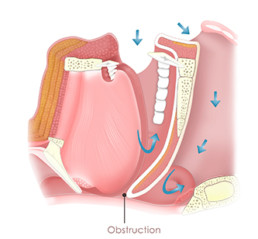
Oral appliance for sleep apnea treatment

Sleep Apnea: The muscles become so lax that your tongue and surrounding tissue collapse and completely block your airway.

The problem with sleep apnea is that you may not even realize you have this condition because you’re not fully awake when you experience the major symptoms. Moreover, the biggest telltale sign of sleep apnea—heavy snoring, can easily be ignored.

Almost everyone snores. What’s the big deal, right?

The lack of oxygen caused by sleep apnea leads not only to chronic fatigue, but can also cause a stroke or sudden death. Medical research has connected sleep apnea to a number of health risks and conditions. So, if you are a chronic and loud snorer, chances are that you might be suffering from OSA without knowing it. The best thing to do in this case is to seek medical attention so you can get a proper diagnosis and sleep apnea treatment.


Many people realize that snoring can be a warning sign. Yet, they refuse to test for sleep apnea because they’re afraid they will be tied to a CPAP (Continuous Positive Airway Pressure) machine.

For years, this was the only solution. But, today, there are alternatives to CPAP. For example, oral appliances for sleep apnea. They are portable, easy to install and allow complete freedom of movement.

So, don’t be afraid to get tested. You have lots of treatment options.
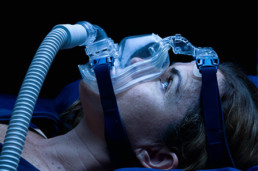
The CPAP machine is an oxygen mask attached to an air compressor. Sleeping with it can cause claustrophobia and depression in some patients.

Frequently Asked Questions About Sleep Apnea

Sleep apnea is a sleep disorder in which breathing repeatedly stops and starts during sleep. These interruptions can reduce oxygen levels in the body and negatively affect overall health.
Obstructive sleep apnea (OSA) is the most common type of sleep apnea. It occurs when the muscles in the throat relax too much during sleep, causing the airway to become partially or completely blocked.
Common signs of sleep apnea include loud snoring, choking or gasping during sleep, excessive daytime sleepiness, morning headaches, difficulty concentrating, and waking up feeling unrefreshed.
Not everyone who snores has sleep apnea, but loud, chronic snoring is one of the most common warning signs. If snoring is accompanied by pauses in breathing or daytime fatigue, a sleep evaluation may be recommended.
Sleep apnea reduces the amount of oxygen reaching your body during sleep. Over time, untreated sleep apnea may increase the risk of high blood pressure, heart disease, stroke, diabetes, and other serious health conditions.
For some individuals, breathing can stop dozens or even hundreds of times throughout the night, disrupting sleep and reducing oxygen levels.
Obstructive sleep apnea is often caused by the relaxation of throat muscles during sleep, which allows the tongue and soft tissues to block the airway. Factors such as excess weight, aging, family history, and certain anatomical features can increase the risk.
Yes. Because sleep apnea repeatedly interrupts sleep, many people experience excessive daytime sleepiness, low energy levels, difficulty concentrating, and reduced productivity.
Sleep apnea is typically diagnosed through a sleep study, which monitors breathing patterns, oxygen levels, heart rate, and other important sleep-related data.
Untreated sleep apnea may contribute to serious health complications, including cardiovascular problems, memory issues, mood changes, increased accident risk, and reduced quality of life.
Treatment options may include oral appliance therapy, CPAP therapy, lifestyle changes, weight management, and other treatments recommended based on the severity of the condition.
Oral appliance therapy uses a custom-made dental device worn during sleep to help keep the airway open and improve breathing.
Yes. Many patients with mild to moderate obstructive sleep apnea may benefit from oral appliance therapy as a comfortable and portable alternative to CPAP therapy.
Yes. Many cases of sleep apnea can be effectively managed with non-surgical treatments such as oral appliances, CPAP therapy, and lifestyle modifications.
If you experience loud snoring, gasping during sleep, daytime fatigue, morning headaches, or other symptoms of sleep apnea, it is important to seek professional evaluation as soon as possible.